How a user testing insight sparked a mission for accessibility, AI innovation, and lasting relationships
6 min. read - October 13, 2026
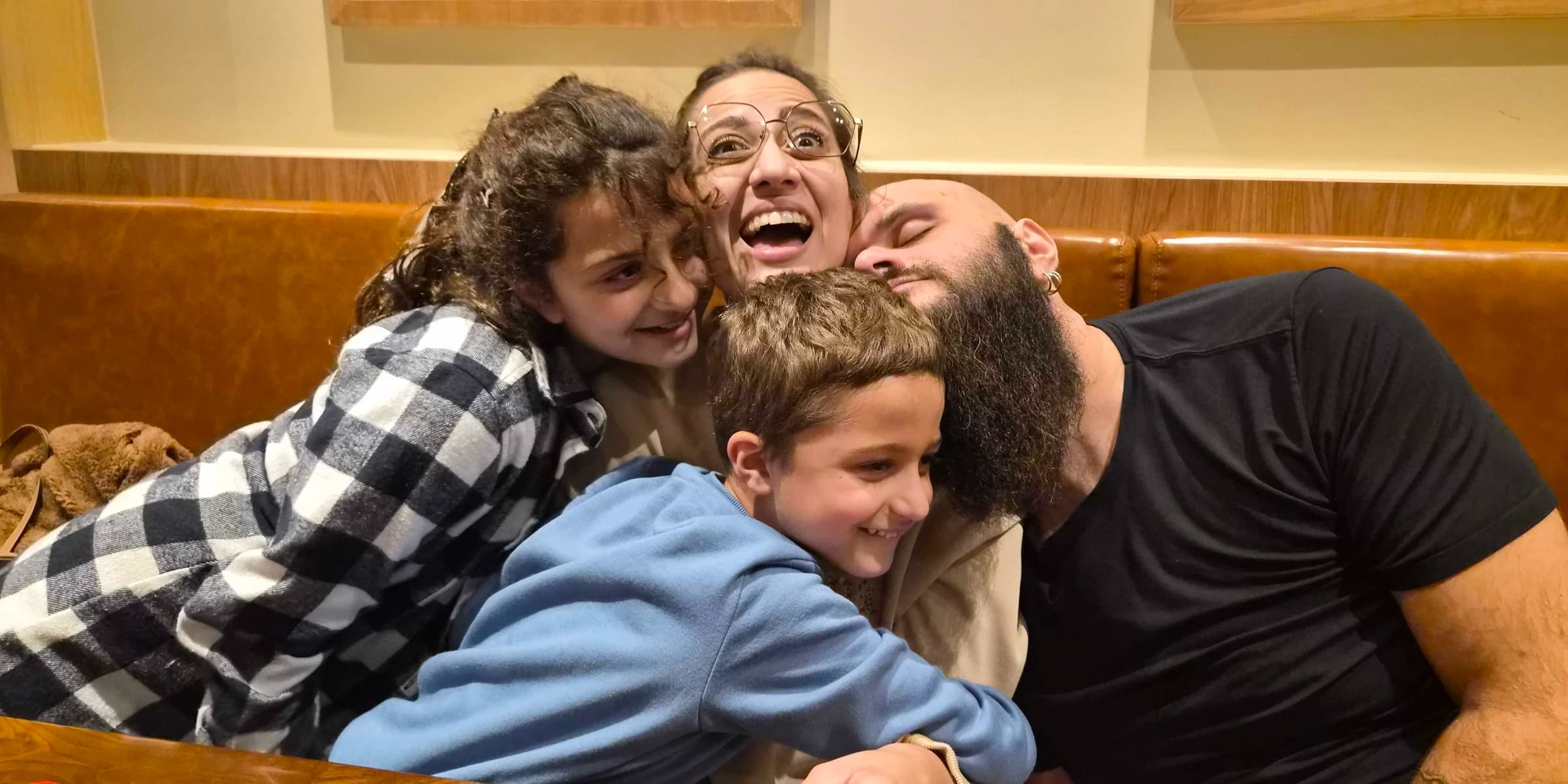
[Editor’s note: This is part of a series of articles about app makers, highlighting talented team members who embody the builder mindset at ArcTouch, and how they find creative new ways to apply the latest technology to our projects.]
Early in her career, Stella Lunardeli collected certifications out of pure spite. Tired of being told she was "too young to have an opinion," she earned credentials in Scrum, function point analysis, and hybrid project management until her email signature was a wall of acronyms — forcing colleagues to take her expertise seriously.
That fierce drive has defined Stella's 19-year journey in tech. But her career found its true purpose during a user testing session for a major beverage brand. Watching a visually and hearing-impaired participant hold a smartphone inches from her face, Stella had a sudden realization: The participant was holding her phone exactly like Stella's first cousin, whom she had watched navigate similar disabilities for years.
That wake-up call ignited a deep passion for digital accessibility. Today, as a senior product manager at ArcTouch, the majority of Stella's work is dedicated to making mobile apps usable for everyone. Off the clock, she is an oil painter, an author, and a builder who recently leveraged AI tools to design a custom caregiver app for her grandmother with Alzheimer's.
We sat down with Stella to discuss her journey, how a late autism diagnosis helped her embrace her unique perspective, and how she built "Tito," a personal caregiver app.
I manage the development process of mobile apps and websites, with a heavy focus on accessibility. That means taking a product from early ideation through client strategy, team development, final delivery, and ongoing support.
IBM taught me how to develop thick skin and read the room. It was an established culture with low tolerance for creative dissent or stepping outside the box. But it also taught me that presentation matters. People pay attention to credentials, how you poise yourself, and your technical vocabulary. It taught me how to carry myself so I could get into the room in the first place — and then we could actually talk.
Initially, I did it out of spite. I wanted credentials to back up my work so people would listen. But once I got my Certified Scrum Master (CSM), I realized there was tremendous value in those frameworks. I stopped being stubborn, recognized what I didn't know, and dove headfirst into learning. Certifications gave me practical tools I could use to solve real day-to-day project challenges.
I had burned myself out at a past agency working 14 to 16 hours a day out of sheer worry for project flows and team attrition. My husband eventually gave me an ultimatum to slow down. Around that time, ArcTouch reached out. During my interview, the hiring manager explained that ArcTouch doesn't build software just because we can — we build because we pay attention to our clients and want to make their lives better. That human-centric philosophy completely sold me.
We were running a usability test for an app, and the participant was holding her phone right up to her face because she was visually impaired and hard of hearing. In that exact moment, remembered seeing my first cousin — someone I grew up with — doing the exact same thing. It was a hard slap to my face. Mobile technology wasn't originally designed for people with impairments, even though they rely on it daily to navigate the world. Realizing I had long overlooked something right in front of me made me shift my whole career toward accessibility.
Before the report, the industry relied heavily on perception — feeling like an app was inaccessible. Our team developed a specific, numeric testing methodology that turned subjective perceptions into factual, quantifiable evidence. Having real, benchmarked data takes the conversation to a whole new level because you're showing clients cold, hard facts backed by real testing.
My grandmother has Stage 4 Alzheimer's. In Brazil, we don't typically rely on nursing homes; families care for relatives at home. But we aren't trained nurses. My mother was constantly overwhelmed trying to track incident reports, medication changes, and behavioral episodes across scattered sticky notes and spreadsheets.
I decided to do something about it. I used tools like Fable and ChatGPT to build "Tito" (my grandmother's childhood nickname). The app handles medication management, incident tracking for doctor visits, emergency contacts, and family updates. It was deeply empowering — and incredibly addictive — to bring that solution to life for my mom.
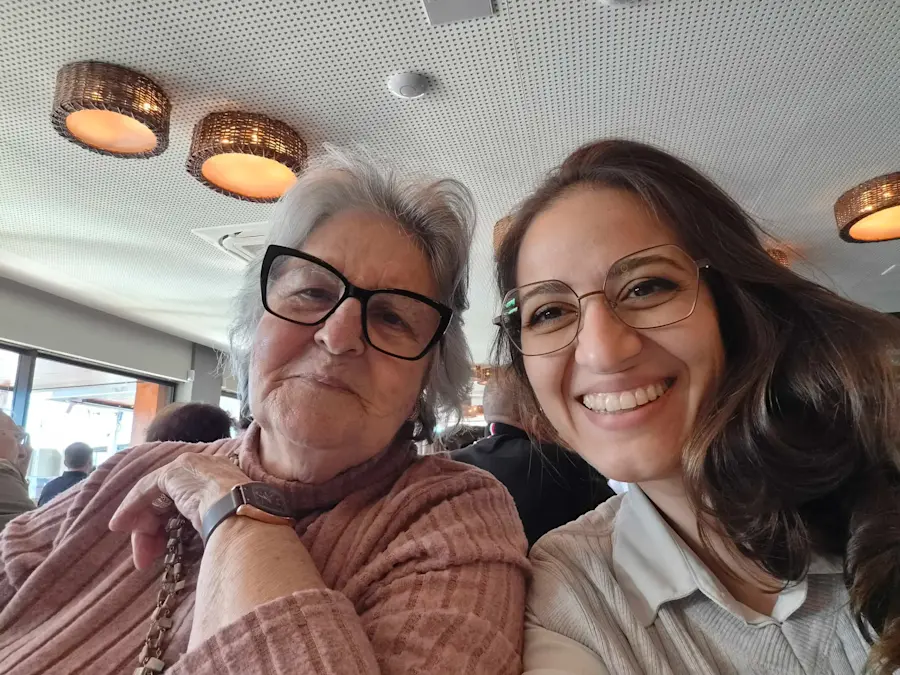
It gave a name to my weirdness. For years, I felt like I was constantly trying to fix or correct myself to fit into social and professional environments, which was exhausting. When I got the diagnosis, I realized I wasn't broken — I just process the world differently. I tend to take things very literally, and prolonged eye contact can be physically uncomfortable for me. Openly communicating about it with my colleagues has made working together much easier and more authentic.
I tell my husband that working in tech is like being on a tight leash, but painting is being let loose on a beach. I love logic and structure, but to function well, I need a creative release at the end of the day. My great-aunt taught me to paint when I was four years old and told me, "Whenever you feel confused, put it on ink, let it out." Right now, I'm painting tall trees and birds along the walls of my staircase. It's how I regulate my mind.
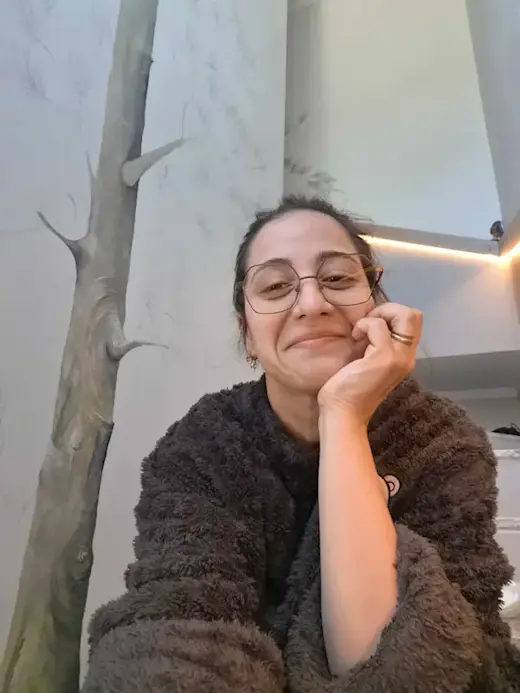
At past companies, the product was everything — the absolute end goal. At ArcTouch, the product is a variable; the real outcome is the lasting relationship. A lovable culture is one where people actually sit with you, listen to your ideas, and respect how you operate, regardless of your background. We build things people love because we start by caring about the people making them.
Get our newsletter in your inbox.

She’s built a career on empathy, carried her father’s legacy into leadership, and proved that quality is about caring for people first

She traded construction sites for code reviews — and now helps make apps accessible for everyone
We help companies of all sizes build lovable apps, websites, and connected experiences.


